What to Know About Your Policy
A few things about your policy are worth understanding in relation to a metal roof, and a Allisonville homeowner benefits from knowing what to look into. Here is what to consider, with the reminder that your policy governs.
What Is Covered
It helps to understand what your policy covers regarding the roof, including which causes of damage are covered and any exclusions, since this varies by policy. Knowing your coverage helps you understand your protection and what would be claimable. Your policy's terms define this. Reviewing them clarifies your situation. The coverage is spelled out in the policy. It is worth understanding.
Deductibles and Terms
Your policy's deductibles and terms affect how a claim would work, including what you would pay and how coverage applies. Understanding these helps you know what to expect from a claim. The deductible and terms shape the practical outcome of any claim. They are part of what to understand about your policy. The terms matter to any claim. They affect the result.
How the Roof Is Valued
Policies may value a roof differently, such as replacement cost versus actual cash value, which affects a claim, and this varies by policy. Understanding how your policy treats the roof's value helps you know what a claim might provide. This valuation approach is a key policy detail. It affects claim outcomes. It is worth checking in your policy. The valuation method matters.
Talking to Your Insurer
The best way to understand your policy as it relates to your metal roof is to talk to your insurer or agent, who can explain your coverage, terms, and how the roof is treated. Rather than guessing, asking your insurer gives you accurate information. Your insurer can clarify your specific policy. They are the authority on your coverage. It is worth a conversation. They have the details.
General Information Only
This is general information about what to consider, not insurance advice, since policies are specific. For your situation, review your policy and consult your insurer or agent. Treating this as a guide to what to ask, rather than advice, is appropriate. The answers come from your insurer. This is context for your questions. Your insurer provides the specifics. They can advise you.
Your Policy, in Short
Understand what your policy covers, its deductibles and terms, and how it values the roof, all of which vary by policy and affect any claim. Talk to your insurer to understand your specifics. This is general information, not insurance advice.
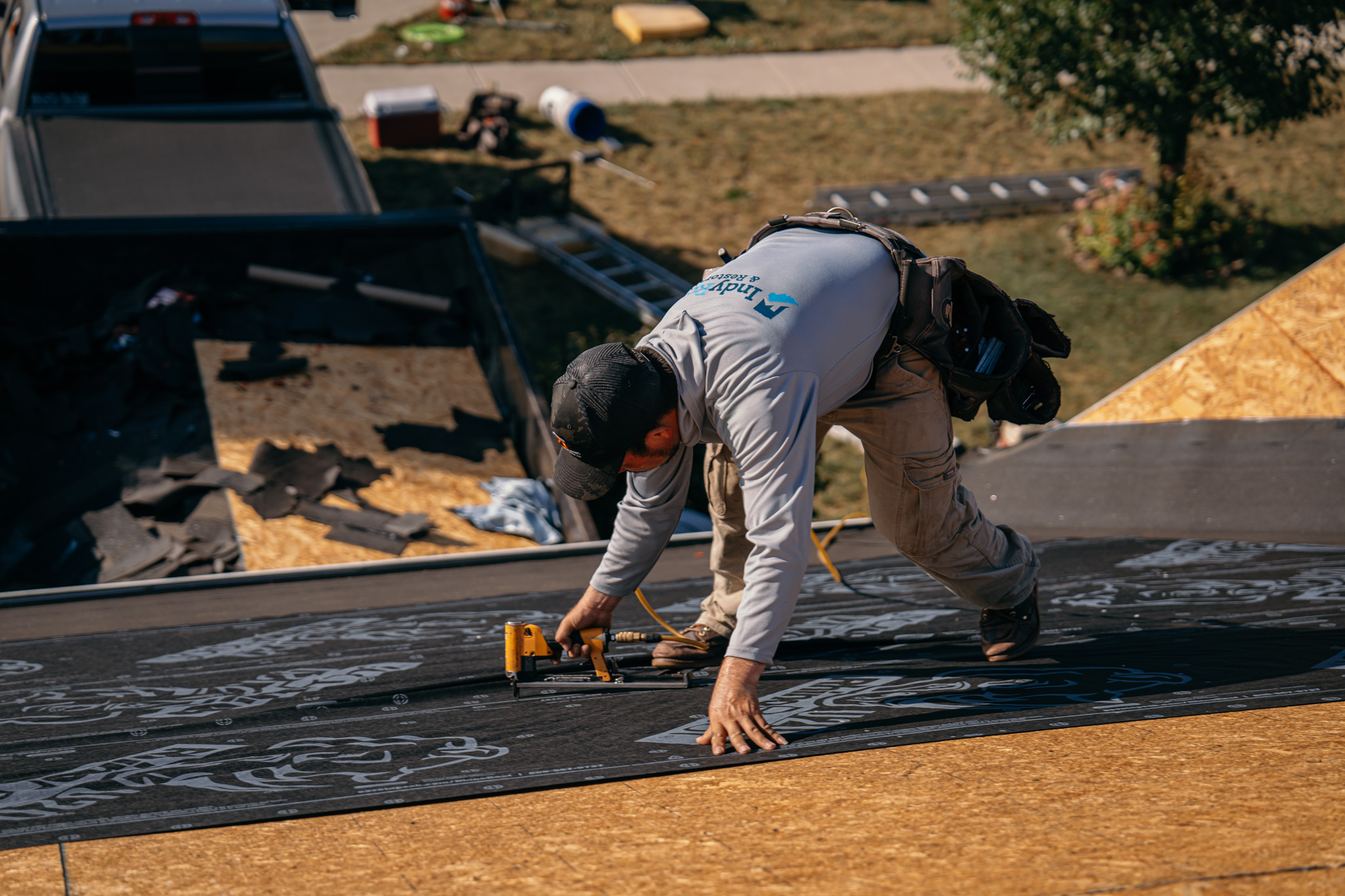
It also helps Allisonville homeowners to understand the clear division of roles when a metal roof matter involves insurance, because keeping straight who handles what makes the whole process less confusing and helps it go more smoothly. On one side is the insurer, who is the sole authority on everything to do with coverage, the insurer determines what the policy covers, whether a particular claim will be paid and for how much, how deductibles and terms apply, how the roof is valued for a claim, and whether and how the roof type affects premiums. All of these are insurance questions, and the answers come from the insurer or agent based on the specific policy, which is why a homeowner with questions about coverage should always go to their insurer rather than relying on general information or assumptions. On the other side is the roofing contractor, whose proper role is the roof itself, a contractor inspects the roof, thoroughly assesses and documents any damage and its cause, and performs the actual repairs or installation to a quality standard. In a claim situation, these two roles complement each other, because the contractor's professional documentation of the damage can support the homeowner's claim with the insurer, while the insurer makes the coverage determination. A homeowner is well served by working with a reputable contractor who documents damage thoroughly and does quality work, since that supports both any claim and the proper restoration of the roof. But it is important to remember that the contractor does not decide whether a claim is covered, that is the insurer's role, so a homeowner should be cautious of any contractor who makes promises about insurance outcomes, and should rely on their insurer for all coverage questions. This is general information, not insurance advice.
One point worth making clear for Allisonville homeowners is that questions about how a metal roof relates to homeowners insurance, whether it is covered, how it might affect premiums, and what happens if it is damaged, are reasonable and common, but the honest answer to nearly all of them is that it depends on your specific policy and your insurance carrier, because insurance practices vary considerably and a roofing contractor is not an insurance advisor. With that essential caveat in mind, a few general observations can provide useful background. Metal roofs are typically covered by homeowners insurance much like other roofing, as part of the insured structure of the home, subject to the terms of the policy, so a metal roof does not generally place a home outside standard coverage. Metal's genuine strengths, particularly its durability and its fire resistance, since metal is non-combustible, are qualities that some insurers may view favorably, because a roof that resists weather well and does not burn can represent lower risk, though whether and how any given carrier factors this into a policy or premium varies and is never guaranteed. When it comes to damage, covered causes such as storms may give rise to a claim depending on the policy, while damage from ordinary wear, age, or lack of maintenance is typically not covered. The practical takeaway is that a homeowner should treat general information like this as background for the questions to ask, and then go to the actual authority on their situation, their insurer or agent, who can explain their specific coverage, terms, deductibles, and how the roof is treated. A roofing contractor's proper role in all of this is the roof itself, inspecting and documenting any damage and performing quality repairs or installation.
One point worth making clear for Allisonville homeowners is that questions about how a metal roof relates to homeowners insurance, whether it is covered, how it might affect premiums, and what happens if it is damaged, are reasonable and common, but the honest answer to nearly all of them is that it depends on your specific policy and your insurance carrier, because insurance practices vary considerably and a roofing contractor is not an insurance advisor. With that essential caveat in mind, a few general observations can provide useful background. Metal roofs are typically covered by homeowners insurance much like other roofing, as part of the insured structure of the home, subject to the terms of the policy, so a metal roof does not generally place a home outside standard coverage. Metal's genuine strengths, particularly its durability and its fire resistance, since metal is non-combustible, are qualities that some insurers may view favorably, because a roof that resists weather well and does not burn can represent lower risk, though whether and how any given carrier factors this into a policy or premium varies and is never guaranteed. When it comes to damage, covered causes such as storms may give rise to a claim depending on the policy, while damage from ordinary wear, age, or lack of maintenance is typically not covered. The practical takeaway is that a homeowner should treat general information like this as background for the questions to ask, and then go to the actual authority on their situation, their insurer or agent, who can explain their specific coverage, terms, deductibles, and how the roof is treated. A roofing contractor's proper role in all of this is the roof itself, inspecting and documenting any damage and performing quality repairs or installation.
Focus on the Roof With Us
Allisonville Metal Roofing handles the metal roof itself across Allisonville and Marion County, while your insurer addresses your policy. Call {phone} for a free consultation on a quality metal roof, and consult your insurer about your coverage.